Average Cost to Build a 500 Square Foot ADU in 2026: Your Complete Pricing Guide
Reading time: 12 minutes
Here’s a number that might surprise you: the average cost to build a 500 square foot ADU in 2026 ranges from $80,000 to $220,000, depending on where you live, what you build, and how you build it. That’s a staggering spread — and it’s exactly why so many homeowners feel paralyzed before they even get started.
You’re probably here because you’ve heard ADUs (Accessory Dwelling Units) are one of the smartest real estate investments you can make right now. You’re not wrong. But the devil is absolutely in the details — and in the dollar amounts.
Let’s cut through the noise and give you the real numbers, the hidden costs most contractors won’t mention upfront, and a strategic framework for building your 500 sq ft ADU without blowing your budget or your sanity.
Table of Contents
- What Exactly Is a 500 Sq Ft ADU?
- Complete 2026 Cost Breakdown
- Key Factors That Drive Your Final Number
- ADU Type Comparison: Which Is Right for You?
- Regional Cost Differences Across the U.S.
- Hidden Costs Nobody Talks About
- Financing Your ADU in 2026
- Return on Investment: Is It Worth It?
- Frequently Asked Questions
- Your ADU Action Plan: Next Steps
What Exactly Is a 500 Sq Ft ADU?
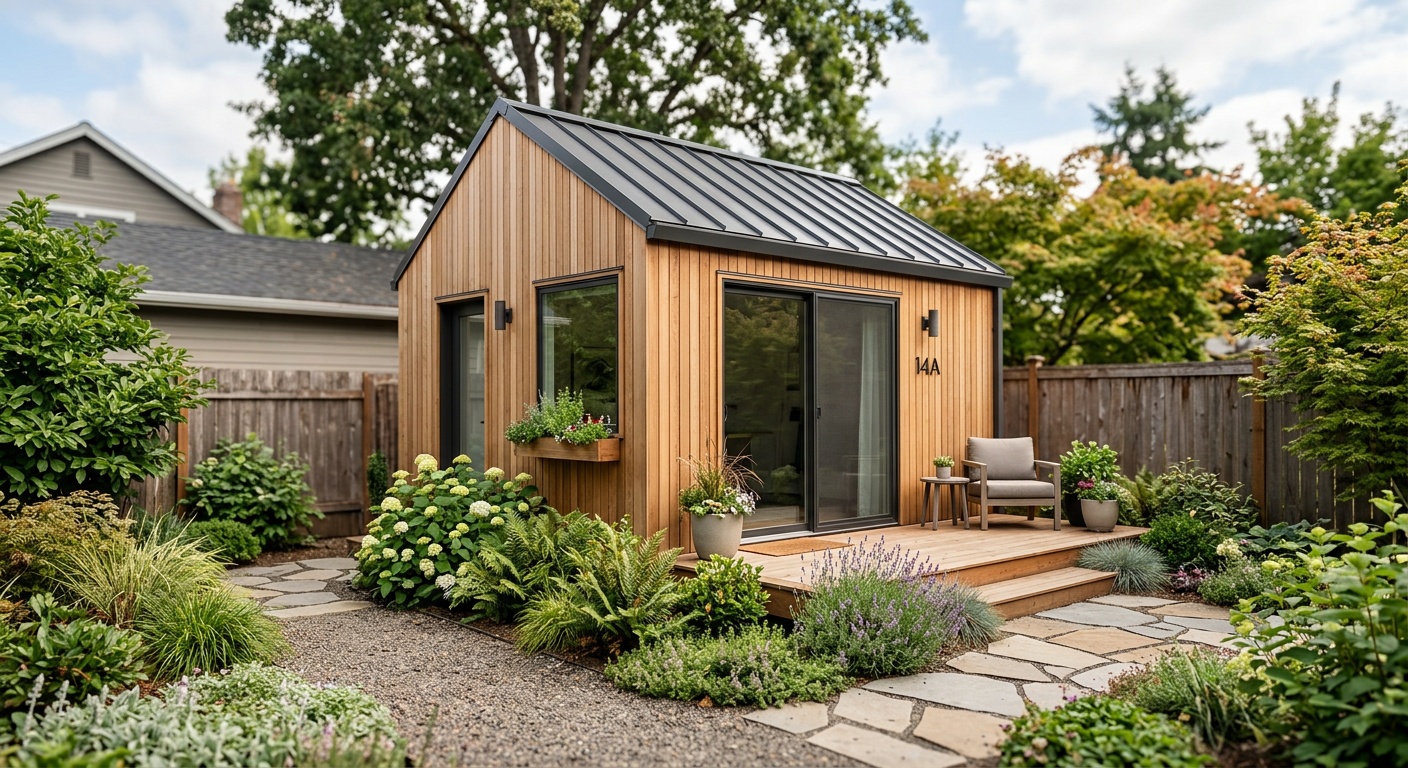
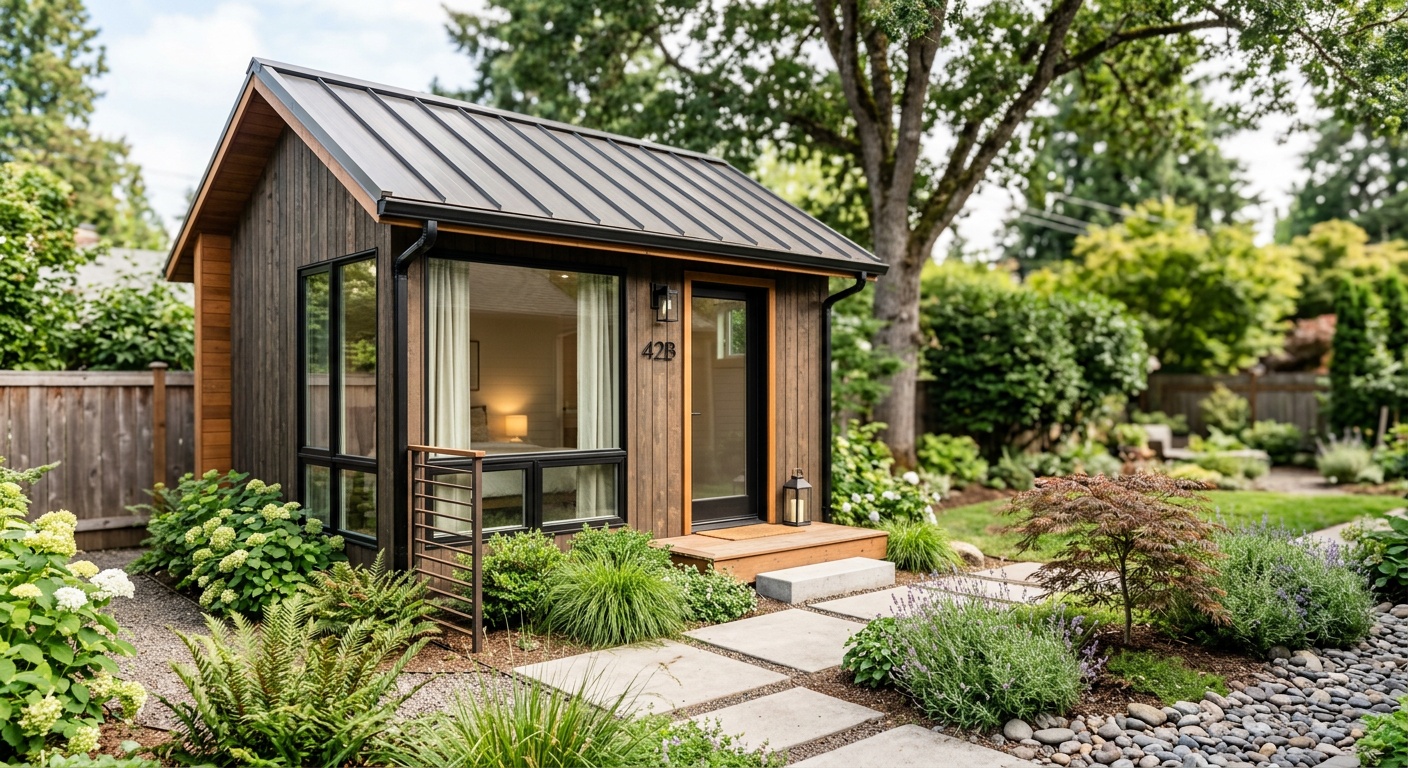
A 500 square foot ADU is essentially a compact but fully functional living unit on your existing property. Think of it as a studio apartment or a small one-bedroom — complete with a kitchen, bathroom, living area, and sleeping space. At 500 square feet, you’re right in the sweet spot: large enough to be genuinely livable, small enough to keep construction costs from spiraling out of control.
In 2026, ADUs have become a mainstream housing solution. Following the wave of state-level zoning reforms that swept through California, Oregon, Washington, Colorado, and beyond between 2020 and 2025, millions of homeowners now have legal pathways to build ADUs that simply didn’t exist before. The National ADU Association reported in early 2026 that ADU permit applications nationwide increased by 34% year-over-year — a trend driven by housing affordability pressures and the rising rental income potential these units offer.
A 500 sq ft unit can comfortably house:
- A single adult or couple as a long-term rental
- An aging parent or in-law (hence the popular term “in-law suite”)
- A college-aged child returning home
- A short-term rental (Airbnb-style) in the right market
Understanding what you’re building and why dramatically affects every cost decision downstream. Keep that purpose in mind as we dig into the numbers.
Complete 2026 Cost Breakdown
Let’s get surgical. Here’s how the average costs break down for a 500 square foot detached ADU built in 2026:
| Cost Category | Low Estimate | Mid Estimate | High Estimate |
|---|---|---|---|
| Site Prep & Foundation | $8,000 | $14,000 | $25,000 |
| Framing & Structure | $12,000 | $18,000 | $30,000 |
| Plumbing & Electrical | $15,000 | $22,000 | $38,000 |
| Interior Finishes | $18,000 | $28,000 | $50,000 |
| Permits & Soft Costs | $5,000 | $12,000 | $22,000 |
When you add it all together — plus mechanical systems (HVAC), roofing, windows, and exterior work — you arrive at that $80,000 to $220,000 range. The national average in 2026 for a 500 sq ft detached ADU sits at approximately $145,000, or roughly $290 per square foot.
Cost Per Square Foot by Construction Method
Not all ADUs are built the same way, and your construction method is arguably the single biggest lever you can pull on cost:
- Modular/Prefab ADU: $150–$220 per sq ft (installed)
- Standard Stick-Built: $230–$330 per sq ft
- High-End Custom Build: $350–$450+ per sq ft
- Garage Conversion: $80–$150 per sq ft
- Basement Conversion: $60–$130 per sq ft
If budget is your primary constraint, a garage or basement conversion is almost always your most cost-effective entry point — you’re working with an existing structure and foundation, which eliminates two of the largest expense categories.
Key Factors That Drive Your Final Number
1. Location, Location, Location
Where you build matters enormously. Labor costs in San Francisco or Seattle can run 60–80% higher than in a mid-sized Midwestern city. California’s persistent construction labor shortage, combined with elevated material costs, means a 500 sq ft ADU in Los Angeles might easily cost $200,000+ while the same unit in Columbus, Ohio could come in under $100,000.
Soil conditions, seismic requirements, and local building codes also add complexity. Building in a flood zone? Expect your foundation costs to jump significantly. In an earthquake-prone area? Seismic retrofitting requirements can add $10,000–$20,000 to your project.
2. Site Accessibility and Utilities
This is the hidden multiplier that shocks many first-time ADU builders. Getting utilities — water, sewer, gas, and electricity — to your new unit can be surprisingly expensive if your property doesn’t have conveniently located hookups. Running a new sewer lateral from your property line to the ADU can cost $5,000–$15,000 alone. If you need to upgrade your main electrical panel to accommodate the additional load, add another $3,000–$8,000.
A real-world example: Marcus and Jenna, a couple in Portland, Oregon, budgeted $120,000 for their 500 sq ft backyard cottage in late 2025. After discovering their sewer line needed a full replacement and their electrical panel required upgrading, their actual cost landed at $158,000. The lesson? Always get a utility assessment before finalizing your budget.
3. Design Complexity and Finish Level
A simple rectangular box is always cheaper than an L-shaped structure with a loft, skylights, and a rooftop deck. Every architectural complexity adds cost — to design, to frame, to weatherproof, and to inspect. Similarly, your finish choices compound quickly at the materials sourcing stage. The difference between builder-grade and mid-range finishes across a 500 sq ft unit can easily be $20,000–$40,000.
ADU Type Comparison: Which Is Right for You?
Let’s visualize the relative cost ranges for different ADU types in 2026 — this chart represents approximate total project costs for a 500 sq ft unit:
500 Sq Ft ADU Cost by Type (2026 Averages)
Each ADU type comes with distinct trade-offs beyond cost:
- Detached ADU: Maximum privacy and rental potential, but highest cost and longest permitting timeline
- Attached ADU: Shares a wall with the main home, reducing construction costs by 10–20%
- Garage Conversion (JADU): Fastest to permit, lowest cost, but limits your parking and storage
- Basement Conversion: Often the most affordable, but natural light and egress can be design challenges
- Prefab/Modular: Growing fast in 2026 — companies like Abodu, Cottage, and Villa have reduced delivery timelines to 3–4 months
Regional Cost Differences Across the U.S.
Your zip code might be the single most predictive variable in your total ADU cost. Here’s a realistic 2026 snapshot of what a standard 500 sq ft detached ADU costs across different U.S. markets:
- San Francisco Bay Area, CA: $175,000 – $260,000
- Los Angeles, CA: $155,000 – $230,000
- Seattle, WA: $140,000 – $210,000
- Denver, CO: $120,000 – $185,000
- Austin, TX: $110,000 – $170,000
- Phoenix, AZ: $95,000 – $155,000
- Chicago, IL: $105,000 – $160,000
- Atlanta, GA: $90,000 – $145,000
- Columbus, OH: $80,000 – $130,000
- Rural Midwest/South: $65,000 – $110,000
California remains the most expensive ADU market in the country, though state programs like the CalHFA ADU Grant have helped offset costs for qualifying homeowners — offering up to $40,000 in down payment assistance for ADU construction as of 2026.
Hidden Costs Nobody Talks About
This is where budgets go to die. Here are the costs most homeowners don’t discover until they’re already neck-deep in permits:
Impact Fees: The Sleeping Giant
Many municipalities charge impact fees — one-time charges meant to offset the burden new housing units place on public infrastructure. These fees vary wildly. In some California cities, impact fees for an ADU can range from $10,000 to $30,000+. California’s state law has made significant progress in capping these fees for smaller ADUs, but other states haven’t followed suit, and the picture varies dramatically by jurisdiction.
Pro Tip: Before hiring any contractor, call your local planning department and ask specifically about impact fees, school district fees, and utility connection fees. Get the answer in writing if possible.
Design and Architectural Fees
Unless you’re going the prefab route with pre-approved plans, you’ll need architectural drawings. Expect to pay $3,000–$15,000 depending on complexity. Add structural engineering fees ($1,500–$5,000), and you’re looking at a meaningful soft-cost line item before a single nail is driven.
Landscaping and Site Restoration
Construction is messy. Your yard will likely need significant restoration work after a build — grading, new sod, replanted garden beds, repoured pathways. Budget $3,000–$12,000 for this, depending on your property and how much disruption the build creates.
Furniture and Appliance Fit-Out
If you’re renting out your ADU, it needs to be fully equipped. A basic but functional furniture package for a 500 sq ft unit runs $8,000–$20,000. Short-term rental setups (with higher-end furnishings, linens, smart home tech, and small appliance packages) can easily exceed $25,000.
Case Study: Sarah, a homeowner in Denver, built a 500 sq ft detached ADU in her backyard in early 2026. Her construction contract came in at $138,000. But by the time she added impact fees ($9,500), landscaping restoration ($6,200), a smart lock and security system ($1,800), furniture ($12,000), and an unexpected panel upgrade ($5,500), her total all-in cost reached $173,000. That’s a 25% gap between contract price and actual out-of-pocket cost.
Financing Your ADU in 2026
The good news: ADU financing has matured considerably since the early 2020s. You now have more options than ever before.
Top Financing Options Available in 2026
- Home Equity Line of Credit (HELOC): Still the most popular option for homeowners with substantial equity. Variable rates in 2026 hover around 7.25–8.5%. Best for those with 40%+ equity in their primary home.
- Cash-Out Refinance: Less attractive in the current rate environment than it was pre-2022, but still viable for homeowners with strong equity and original mortgages below current market rates.
- ADU-Specific Construction Loans: Several lenders, including RenoFi and Renovation Mortgage, now offer ADU-specific products that lend against the after-renovation value of your property — a game-changer for those who don’t have enough existing equity.
- State and Local Programs: California’s ADU financing programs, Oregon’s Middle Housing loans, and Colorado’s housing density incentives all offer below-market financing options for qualifying homeowners.
- Prefab Manufacturer Financing: Companies like Abodu and Villa now offer their own in-house financing, often with 12-month deferred payment options.
Quick math check: If you finance $145,000 at 7.75% over 15 years, your monthly payment is approximately $1,360. If your ADU rents for $1,800–$2,200/month in a mid-tier market, you’re cash-flow positive from day one — with the additional asset appreciation upside.
Return on Investment: Is It Worth It?
Let’s get honest about the ROI picture. It’s compelling — but it requires realistic assumptions.
In most U.S. markets in 2026, a well-built 500 sq ft ADU adds $120,000–$200,000 in property value — often close to or exceeding the construction cost. On the rental income side:
- Long-term rental income: $1,400–$2,800/month depending on market
- Short-term rental income: $2,500–$5,500/month in high-demand areas (with appropriate permits)
- Intangible value: Housing a family member, reducing your own mortgage stress, or creating flexible multigenerational living arrangements
The typical payback period for a 500 sq ft ADU in a medium-cost market (think Denver, Austin, or Atlanta) is 8–14 years through rental income alone — and that’s before factoring in the property value appreciation.
For short-term rental markets, that payback can compress to 5–7 years, though regulatory risk around STR licensing is real and varies dramatically by city.
Frequently Asked Questions
How long does it take to build a 500 sq ft ADU in 2026?
Timeline varies significantly by construction type and local permitting speed. A prefab/modular ADU can be installed in as little as 3–5 months from contract to occupancy, assuming permits are in place. A stick-built detached ADU typically takes 8–14 months from permit application to certificate of occupancy. Garage and basement conversions fall in between, usually 4–8 months. California has implemented SB 9-related reforms that mandate certain ADU permits be approved within 60 days, which has helped streamline timelines in that state considerably.
Do I need an architect to build a 500 sq ft ADU?
In most jurisdictions, you are not legally required to hire a licensed architect for a simple ADU below a certain square footage threshold (often 500–1,000 sq ft). However, you will generally need stamped structural engineering drawings, and many municipalities require at least designer-grade plans. Many homeowners use ADU-specialized design-build firms or prefab companies that handle all plan preparation in-house. If you’re doing a custom design or a complex conversion, hiring an architect typically pays for itself by avoiding costly plan revisions during the permit process.
Can I build an ADU myself (owner-builder) to save money?
Yes, in most states, you can act as your own general contractor — a process called owner-building. This can save 10–20% on general contractor markup. However, it’s important to be realistic: managing subcontractors, scheduling inspections, troubleshooting delays, and understanding building codes is a part-time job at minimum. Most ADU experts recommend owner-building only if you have prior construction project management experience. The risk of costly mistakes — from incorrect framing to failed inspections requiring demo and rebuild — can quickly erode any savings if you’re navigating it for the first time.
Your ADU Action Plan: From Numbers to Keys in Hand
Here’s the straight talk: building a 500 sq ft ADU in 2026 is one of the most financially sound home improvement decisions you can make — if you go in with eyes wide open, a realistic budget, and a disciplined planning process.
Here’s your immediate action roadmap:
- Define your “why” first. Long-term rental, family member housing, or short-term rental? Your purpose shapes every design and budget decision that follows.
- Get a zoning and feasibility check. Call or visit your local planning department before spending a dollar on design. Confirm ADU eligibility, setback requirements, height limits, and impact fee structures for your specific parcel.
- Get 3 quotes — minimum. Get bids from at least one prefab company, one design-build firm, and one traditional contractor. The spread will be educational.
- Build a 20% contingency into your budget. Not 10%. Twenty. Experienced ADU builders will tell you this is the most important line item in your spreadsheet.
- Explore financing before you finalize your budget. Your financing structure affects what you can afford, how you build, and your ROI timeline. Talk to at least two lenders, including one ADU-specialized lender.
The broader housing landscape in 2026 is clear: ADUs aren’t a trend — they’re a structural shift in how Americans approach property, density, and intergenerational living. Cities are actively incentivizing them, lenders are increasingly comfortable financing them, and tenants are seeking them out.
The real question isn’t whether building a 500 sq ft ADU is worth it. The question is: how long are you going to wait before you start building the financial asset — and the housing solution — sitting untapped in your own backyard?