ADU vs Home Addition Cost Comparison for 2026 Budgets
Reading time: 14 minutes
You’ve got some extra space—or maybe you’re dreaming of creating it. Perhaps your aging parent needs to move closer, or you’ve spotted the income potential of a rental unit. Either way, you’re standing at a fork in the road: build an Accessory Dwelling Unit (ADU) or add on to your existing home?
Here’s the straight talk: both options can be brilliant investments—but they come with wildly different price tags, timelines, regulatory hurdles, and long-term financial outcomes. Making the wrong choice for your specific situation could cost you tens of thousands of dollars and months of unnecessary stress.
In 2026, with construction costs stabilizing after years of post-pandemic volatility, interest rates sitting at more manageable levels, and municipalities across the country rapidly updating their ADU ordinances, the decision has never been more nuanced—or more exciting.
Let’s break down every dollar, every regulatory consideration, and every practical scenario so you can walk away with a crystal-clear picture of which path makes sense for your 2026 budget.
Table of Contents
- 1. The Big Picture: ADU vs Home Addition in 2026
- 2. Detailed Cost Breakdown
- 3. Cost Comparison at a Glance
- 4. Side-by-Side Comparison Table
- 5. Real-World Scenarios & Case Studies
- 6. Common Challenges and How to Overcome Them
- 7. ROI and Long-Term Financial Outlook
- 8. Frequently Asked Questions
- 9. Your 2026 Decision Roadmap
The Big Picture: ADU vs Home Addition in 2026
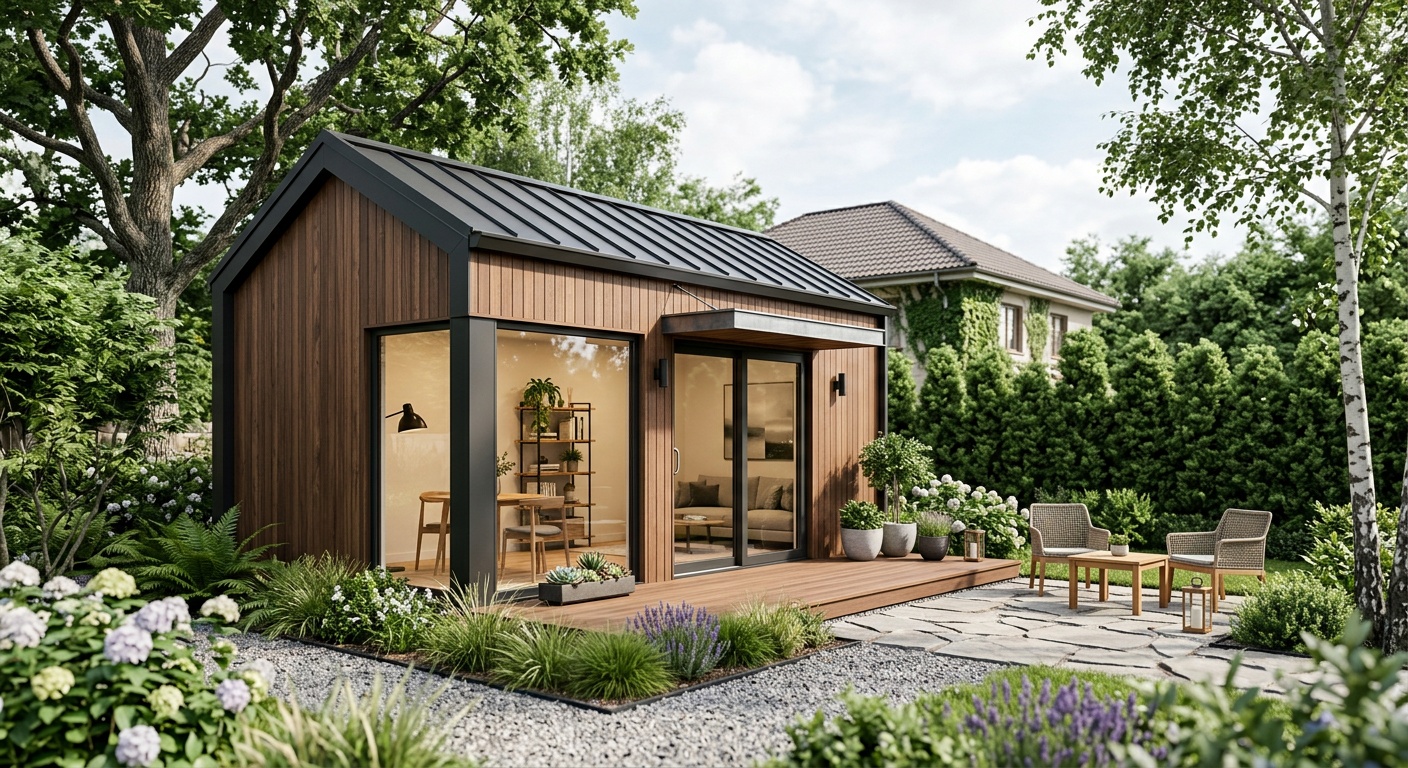
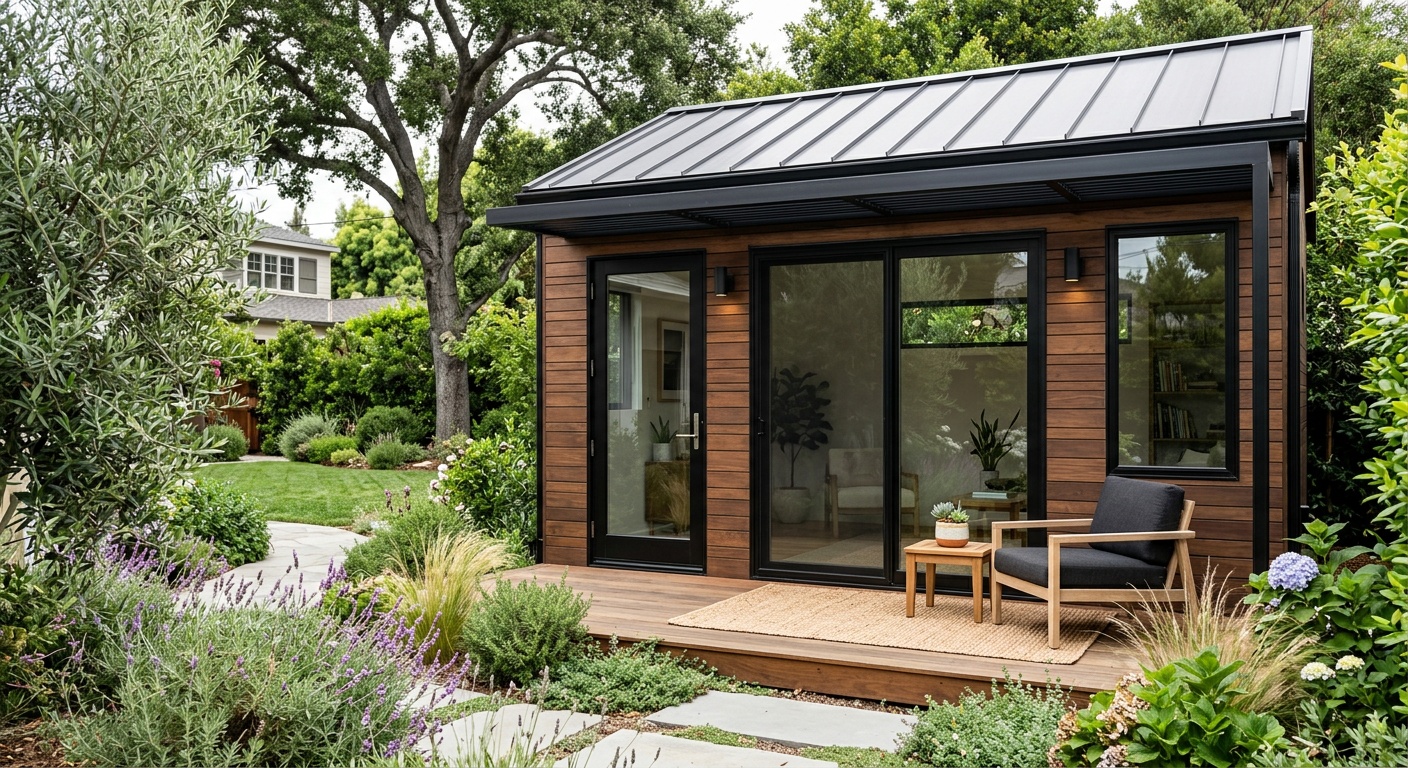
Before we dive into the numbers, let’s get clear on definitions. An ADU (Accessory Dwelling Unit) is a self-contained living unit on the same parcel as a primary residence—think detached backyard cottage, garage conversion, or basement apartment. A home addition, by contrast, expands your existing home’s footprint or vertical space, adding rooms that integrate seamlessly into the main structure.
Both serve the goal of adding livable space, but they diverge significantly in purpose, cost structure, and financial return. According to the National Association of Home Builders (NAHB), the average cost per square foot for residential construction in early 2026 sits between $175 and $310 depending on region, finishing level, and project type—a figure that applies differently to ADUs and additions alike.
Why This Decision Matters More Than Ever in 2026
Three powerful trends are reshaping this landscape right now. First, multigenerational living has continued its upward climb—approximately 22% of U.S. households now include multiple adult generations under one roof or nearby, up from 18% in 2021. Second, short-term rental platforms like Airbnb and Vrbo have continued to mature, making ADU rental income a viable financial strategy in most markets. Third, municipalities from Sacramento to Austin to Portland have dramatically streamlined ADU permitting in response to housing shortages, reducing approval timelines from 6–12 months down to as few as 30–90 days in progressive cities.
On the home addition side, the 2025 renovation boom—driven by remote work permanence and lifestyle upgrades—left many homeowners with valuable experience (and cautionary tales) about budget overruns. Heading into 2026, smarter budgeting tools, better contractor transparency, and more realistic cost expectations are changing how additions get planned and executed.
Detailed Cost Breakdown
What Does an ADU Actually Cost in 2026?
ADU costs vary enormously based on type, and understanding these categories is crucial for accurate budgeting. Here’s a clear breakdown of what you’ll encounter:
Detached ADU (New Construction): The most expensive option, but also the most versatile. Expect to spend between $150,000 and $350,000 for a well-built, permit-compliant detached unit ranging from 400–800 square feet. In high-cost markets like San Francisco, Los Angeles, or Seattle, that upper bound can easily climb to $450,000+. In mid-tier markets like Phoenix, Denver, or Charlotte, the sweet spot is typically $180,000–$260,000.
Garage Conversion ADU: By far the most cost-effective ADU path in 2026. Converting a two-car garage into a livable unit runs roughly $60,000–$130,000, largely because the shell structure already exists. You’re primarily paying for insulation, electrical upgrades, plumbing installation, HVAC, interior finishing, and permitting.
Basement ADU: Costs typically fall between $80,000 and $175,000, depending heavily on whether the basement is already partially finished and whether egress windows need to be cut. Adding a separate entrance—essential for rental income and privacy—adds another $8,000–$20,000 to the project.
Attached ADU: Sharing at least one wall with the primary home, attached ADUs cost roughly $100,000–$220,000. They offer some structural efficiency savings but require careful design to ensure genuine separation and privacy.
Prefab/Modular ADU: One of the fastest-growing segments in 2026. Companies like Abodu, Mighty Buildings, and Cover have refined their products significantly. A high-quality prefab ADU now runs $120,000–$200,000 all-in (including site prep, utility connections, and installation), and can be installed in as little as 4–8 weeks once permits are approved.
What Does a Home Addition Actually Cost in 2026?
Home additions are priced primarily by square footage and complexity. Here’s what the 2026 market looks like:
Single-Story Bump-Out (under 200 sq ft): The most affordable addition type. Expect $35,000–$85,000 for a well-executed bump-out that adds a home office, expanded kitchen, or enlarged bedroom. These projects benefit from connecting to existing rooflines and foundations, limiting structural complexity.
Room Addition (200–400 sq ft): This mid-range project—perhaps a master suite, family room, or sunroom—typically costs $85,000–$180,000. The variation depends heavily on roofline complexity, foundation requirements, and finishing level.
Second-Story Addition: The most complex and expensive addition category. Adding a full second story runs $200,000–$450,000 and involves structural reinforcement of the existing foundation and walls, plus complete disruption to the home during construction. Timeline can stretch 6–12 months.
In-Law Suite Addition (attached): A popular middle-ground option, in-law suites with a separate entrance and kitchenette run $120,000–$280,000—overlapping significantly with ADU territory but without the legal independence of a true ADU.
Hidden Costs to Budget For: Both project types carry soft costs that beginners routinely underestimate. These include architectural drawings ($3,000–$15,000), structural engineering ($2,000–$8,000), permitting fees ($1,500–$12,000 depending on municipality), utility connection fees for ADUs ($5,000–$30,000), and a contingency buffer of at least 15–20% on any construction project in today’s market.
Cost Comparison at a Glance
The following chart illustrates average all-in costs for the most popular project types in 2026, based on national mid-market averages:
Average 2026 Project Costs (Mid-Market, All-In)
Source: NAHB, Remodeling Magazine Cost vs. Value Report 2026, Angi Cost Guides 2026
Side-by-Side Comparison Table
| Metric | ADU | Home Addition |
|---|---|---|
| Average Cost Range (2026) | $80,000 – $400,000+ | $35,000 – $450,000 |
| Rental Income Potential | High ($1,200–$3,500/mo) | None (typically) |
| Permitting Complexity | Moderate–High (improving) | Moderate |
| Construction Timeline | 3–12 months | 2–10 months |
| Property Value Impact | +15–35% (income-producing) | +10–25% (space value) |
Real-World Scenarios & Case Studies
Scenario 1: The Martinez Family in Phoenix, Arizona
Carlos and Diana Martinez, both in their late 40s, needed space for Diana’s mother to move in after a health scare in 2025. Their 3-bedroom home sat on a generous 9,000 sq ft lot with an underused two-car garage. They evaluated both an attached addition and a garage conversion ADU.
The attached in-law suite addition quote came in at $195,000, which would have added a bedroom, sitting room, and kitchenette connected to the main house. The garage conversion ADU quote was $87,000, creating a fully independent 480 sq ft unit with a private entrance, kitchenette, full bathroom, and separate utility meter.
They chose the garage conversion. Beyond the $108,000 in savings, the independence of the ADU gave Diana’s mother genuine privacy and autonomy—a quality-of-life factor that proved emotionally significant. After 14 months, Diana’s mother transitioned to assisted living, and the family now rents the unit for $1,650/month—generating income that will fully recoup their investment within 4.4 years.
Key takeaway: If flexibility is your priority—multigenerational use today, rental income tomorrow—an ADU delivers options a home addition simply cannot.
Scenario 2: The Johnsons in Raleigh, North Carolina
Priya and Marcus Johnson bought their home in 2019 as a 3/2 bungalow. By 2025, with two young children and full-time remote work, they desperately needed a dedicated home office and a fourth bedroom. They considered both a detached ADU and a primary home addition.
A detached ADU on their 6,200 sq ft lot would have required setback variances (their lot was narrow), significant landscaping disruption, and ran a quote of $215,000. A well-designed 400 sq ft addition—adding a master suite above the garage and converting the existing master to an office—came in at $148,000.
They chose the addition. The integrated space solved their immediate livability problems, and their home’s appraised value jumped by $185,000—more than covering the cost. The addition also required no separate utility connections or ongoing landlord responsibilities.
Key takeaway: If your goal is maximizing personal living quality and home value appreciation without landlord complexity, a well-planned addition can offer exceptional ROI.
Common Challenges and How to Overcome Them
Challenge 1: Permitting and Zoning Complexity
This is the #1 headache homeowners encounter, particularly with ADUs. Despite nationwide improvements, zoning laws remain inconsistent. Some municipalities still require owner-occupancy, limit ADU size to a percentage of the main dwelling, or impose restrictive setback requirements.
How to overcome it: Before budgeting a single dollar, spend $300–$800 on a pre-application consultation with your local planning department or a land-use attorney. Many cities now offer free ADU feasibility assessments online. Organizations like the National ADU Network maintain updated state-by-state regulatory guides. For home additions, hire an architect who actively works in your municipality—their permit relationships alone can save weeks of delay.
Challenge 2: Financing the Project
With the Federal Reserve holding rates relatively steady in 2026 (benchmark rate hovering around 4.25–4.5%), financing options have become somewhat more accessible than the 2023–2024 peak, but cost of capital is still a real consideration.
For ADUs: Many states now offer dedicated ADU financing programs. California’s ADU Grant Program (extended through 2026) provides up to $40,000 in forgivable loans for income-qualified homeowners. Construction-to-permanent loans, HELOCs, and cash-out refinancing remain the most popular vehicles. Fannie Mae’s ADU-specific appraisal guidelines (updated in 2024) now allow projected rental income to count toward qualifying ratios, making ADU loans more accessible.
For Home Additions: HELOCs remain the go-to option when homeowners have built equity. Renovation loans like the FHA 203(k) or Fannie Mae HomeStyle can bundle purchase and renovation financing. With home values having appreciated significantly since 2020, most homeowners have substantial equity to draw from.
Challenge 3: Contractor Selection and Budget Overruns
The 2025 construction market saw a 23% increase in contractor dispute filings according to the American Arbitration Association—mostly tied to scope creep, material substitutions, and incomplete contracts. This risk is slightly higher for ADU projects, which involve more systems (plumbing, electrical, HVAC) than a simple addition.
How to overcome it: Always get three bids, always require a detailed line-item contract (not a lump-sum quote), and always include a 15–20% contingency in your budget before you start. For ADUs specifically, consider design-build firms that specialize in ADUs—they carry fewer coordination risks than managing separate architect/contractor relationships. Platforms like Houzz Pro and BuildZoom now offer contractor verification scores updated for 2026 licensing and insurance requirements.
ROI and Long-Term Financial Outlook
Here’s where the ADU vs. addition decision gets truly strategic. Let’s look at the numbers honestly.
ADU Return on Investment: According to the Appraisal Institute’s 2026 Residential Metrics Report, income-producing ADUs in major metros are appraising at cap rates of 5–7%, translating to property value increases of 15–35% over base value—often far exceeding construction costs in high-demand markets. In a market like Denver, where a 2-bedroom ADU rents for $1,800/month, a $150,000 garage conversion generates $21,600/year in gross income. Even after expenses (insurance, maintenance, vacancy), net yield of $15,000–$17,000 represents a 10–11% annual return on invested capital—exceptional by any measure.
Home Addition Return on Investment: Remodeling Magazine’s 2026 Cost vs. Value Report shows that home additions recoup, on average, 55–75 cents on every dollar spent at resale, with master suite additions and family room expansions performing at the higher end. While this is lower than ADU returns in rental markets, the appreciation is realized immediately in the appraised value and does not depend on tenant management.
One critical nuance: your local market matters enormously. In a slow-growth market with low rental demand, an ADU may not generate sufficient income to justify its higher cost relative to a simple addition. In a housing-constrained coastal city, that same ADU may pay for itself in under five years. Run the numbers for your specific ZIP code before committing.
“The homeowners who regret their ADU decision in 2026 are almost exclusively those who built based on national averages without stress-testing local rental demand. The math is entirely market-dependent.” — Sarah Kimball, Certified Residential Appraiser, NAR Member
Frequently Asked Questions
Q1: Can I legally rent out a home addition as a separate unit?
Generally, no—not without converting it to a properly permitted ADU. A home addition is legally part of your primary dwelling and shares utility systems. Renting it as a separate dwelling without proper permitting can violate local housing codes, void your homeowner’s insurance, and create significant liability. If rental income is a goal, build to ADU code from the start, even if the initial cost is higher.
Q2: Which project takes longer to complete in 2026—an ADU or a home addition?
It depends heavily on the type. A garage conversion ADU can be complete in 3–5 months, while a prefab ADU can achieve occupancy even faster. A simple room addition might be done in 2–4 months. However, a detached new-construction ADU or a second-story addition both typically run 8–12 months when permitting delays are factored in. In 2026, ADU-friendly cities have dramatically shortened approval windows, so the gap has narrowed considerably from just two years ago.
Q3: Will either project significantly increase my property taxes?
Yes—both will trigger a reassessment in most states. However, the increase is typically proportional to the value added. An ADU adds both value and potential income, so some states treat it as a commercial-residential hybrid for tax purposes. California’s Proposition 19 limits reassessment impacts for certain transfers, and several states have enacted temporary ADU tax incentives through 2027 to encourage housing supply. Always consult a local property tax attorney before breaking ground.
Your 2026 Decision Roadmap: From Confusion to Confidence
You’ve absorbed a lot of information—and that’s exactly what this decision deserves. Now let’s turn it into action. Here’s your step-by-step path forward:
- Clarify your primary goal this week. Write it down: Is this about rental income, multigenerational living, personal space expansion, or property value maximization? Your answer should immediately tilt you toward ADU or addition.
- Run a local market feasibility check within the next 30 days. Research rental rates for ADUs in your specific ZIP code (Zillow, Rentometer, and local property managers are your friends). Get one preliminary contractor estimate for each option.
- Consult your planning department before spending money on design. A 30-minute meeting or online feasibility tool will tell you what’s actually allowed on your lot—saving you months of false starts.
- Model your financing options with a mortgage broker who has experience in renovation and ADU loans. The difference between a HELOC, construction loan, and ADU-specific product can mean tens of thousands of dollars in interest over time.
- Get three detailed, line-item contractor bids and build in a 20% contingency before finalizing your budget. The homeowners who stay on budget are those who plan for the unexpected from day one.
Here’s the broader truth: the housing affordability crisis reshaping American cities means that ADUs and thoughtful home additions aren’t just personal financial decisions—they’re contributions to community housing supply. By 2027, economists project that ADU construction will account for over 15% of new housing units in supply-constrained metros. You’re not just building square footage; you’re participating in one of the most significant housing shifts of our generation.
So—which path will you take? The right answer is the one that aligns your financial goals, your life stage, your local market, and yes, your gut. You now have the framework to make that call with confidence. Don’t let perfect be the enemy of transformative.