ADU Building Guide: Permits, Costs, and Construction Tips for 2026
Reading time: 14 minutes
Ever looked at your backyard and thought, “There’s something valuable hiding in that unused space”? You’re not imagining things. Accessory Dwelling Units — better known as ADUs — have quietly become one of the smartest real estate moves homeowners can make in 2026. Whether you’re building a granny flat for aging parents, a rental unit for passive income, or a private home office that could double as guest quarters, the ADU wave isn’t slowing down.
But here’s the honest truth: navigating the world of ADU construction without a roadmap can feel like assembling furniture without instructions. Permit requirements vary wildly by city. Costs can spiral if you’re not prepared. And choosing the wrong contractor can turn your dream project into a financial nightmare.
This guide is your straight-talking companion through every stage — from zoning rules and permit applications to construction timelines and budget planning. Let’s transform that underutilized space into a high-value asset.
Table of Contents
- What Is an ADU? Types and Definitions
- Permits and Zoning: What You Actually Need
- Real Costs in 2026: Breaking Down the Numbers
- Financing Your ADU Project
- Construction Tips That Save Time and Money
- Real-World Case Studies
- Common Challenges and How to Overcome Them
- Frequently Asked Questions
- Your ADU Roadmap: Next Steps
What Is an ADU? Types and Definitions
An Accessory Dwelling Unit is a secondary residential unit on the same parcel as a primary single-family home. The terminology can get confusing — you’ll hear “granny flat,” “in-law suite,” “casita,” “backyard cottage,” and “secondary dwelling unit” used interchangeably — but legally, they all fall under the ADU umbrella.
As of 2026, over 4.2 million permitted ADUs exist across the United States, according to the National Association of Realtors’ Housing Supply Report. That number has more than doubled since 2020, driven by housing shortages, updated state-level legislation, and shifting family living arrangements.
The Four Main ADU Categories
- Attached ADU: Shares a wall with the main house. Think of a converted garage or a new addition built onto the side of the home. Typically the most cost-effective option since it leverages existing structure.
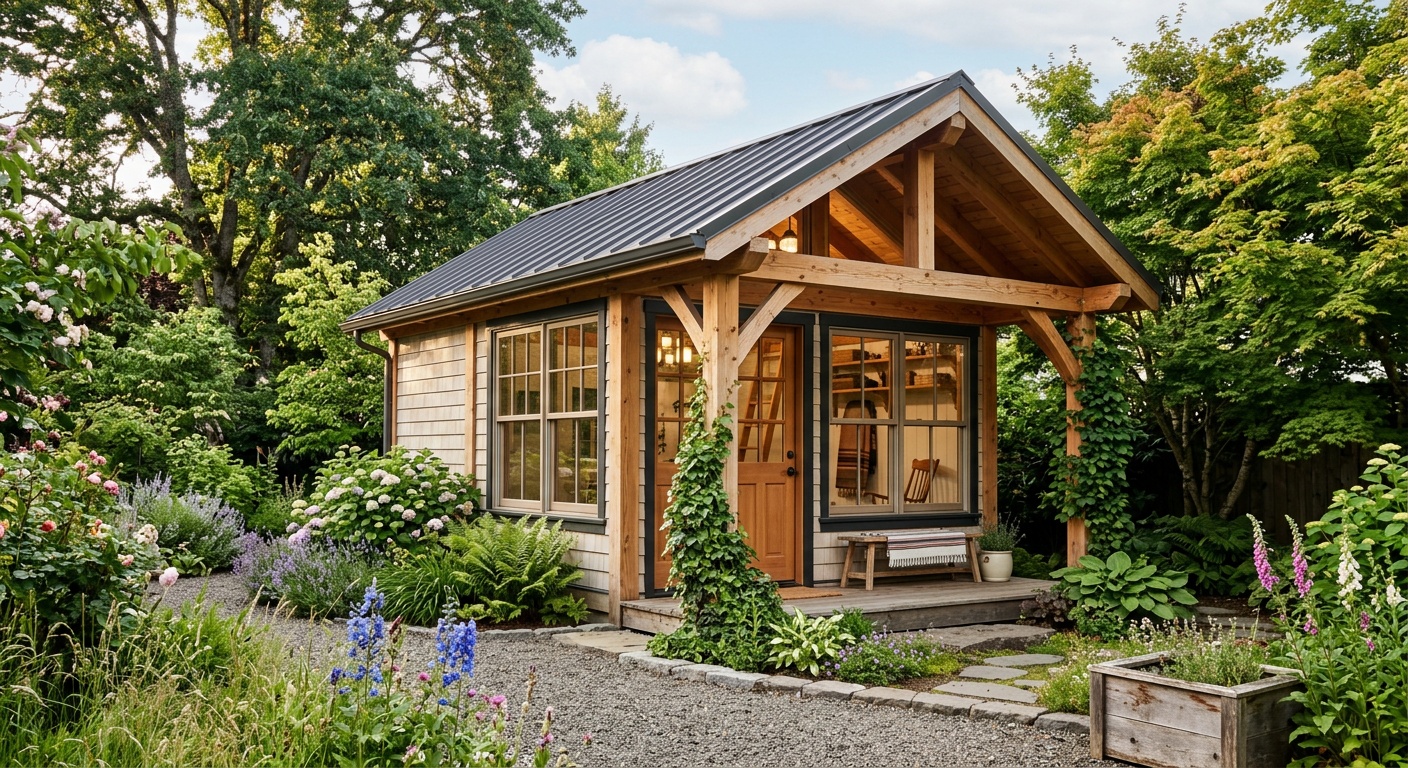
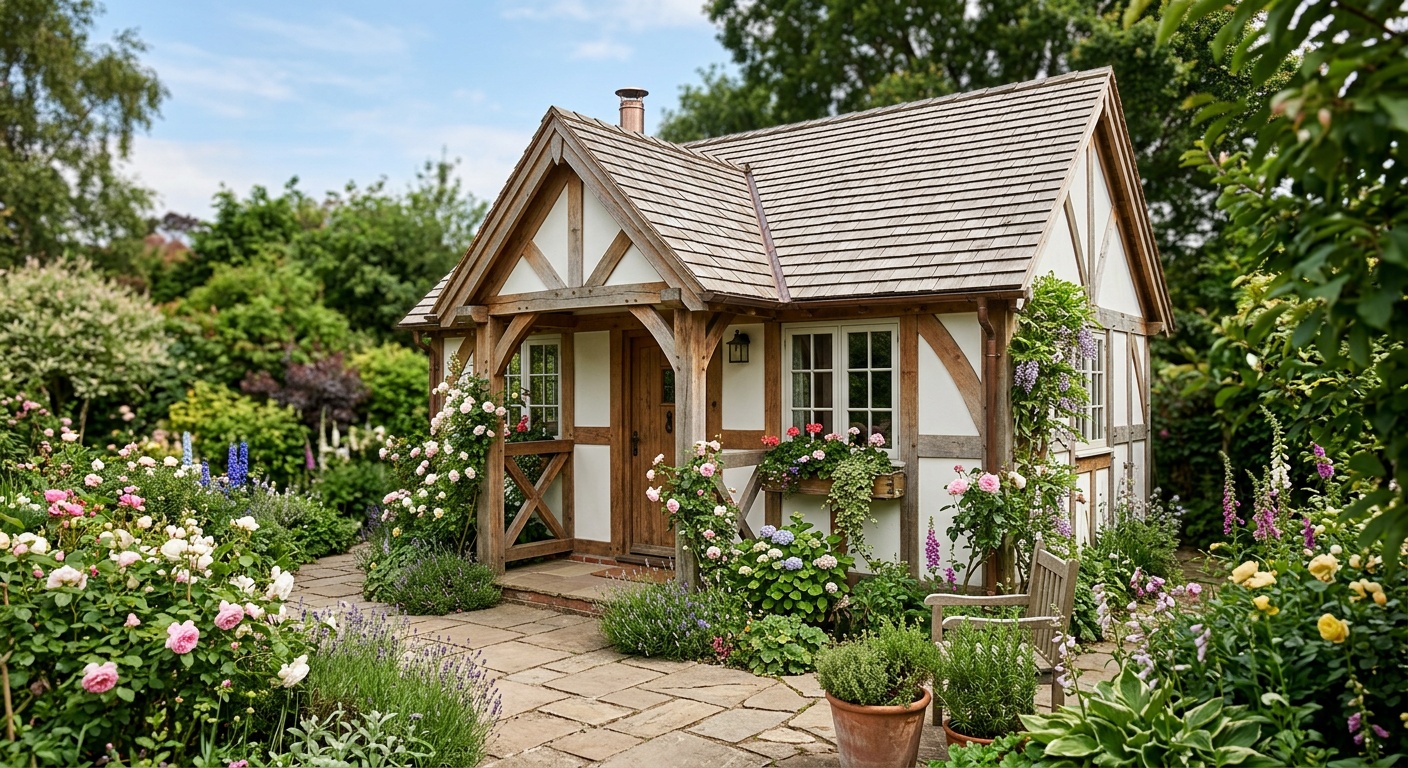
- Detached ADU (DADU): A fully separate structure on the property — a standalone cottage or backyard house. Offers maximum privacy for both occupants and is the most popular type in suburban markets.
- Interior ADU (Junior ADU or JADU): Created entirely within the existing footprint of the home, often converting a large bedroom, basement, or attic. California’s JADU law, expanded in 2025, allows these up to 500 sq. ft. with shared utility connections.
- Garage Conversion ADU: Technically a subset of attached or detached ADUs, but popular enough to deserve its own mention. Converting an existing garage typically runs 30–40% cheaper than new construction.
Why ADUs Are Booming in 2026
The housing affordability crisis hasn’t resolved — median home prices in major metro areas remain at near-historic highs. ADUs offer a pragmatic answer: homeowners can generate $1,500–$3,500/month in rental income, offset mortgage payments, and increase property values simultaneously. According to a 2025 UC Berkeley Terner Center study, ADUs in California added an average of $192,000 to property values — a figure that has translated to similar trends in Oregon, Washington, Texas, and Florida markets.
Permits and Zoning: What You Actually Need
Here’s where most homeowners get stuck — and with good reason. Permit requirements aren’t uniform. What’s a simple over-the-counter approval in Sacramento might require a six-month public hearing process in a suburban New Jersey township.
The good news? Since 2019, California’s ADU laws set a precedent that dozens of states have since followed. As of 2026, 31 states have passed pre-emptive ADU legislation that restricts local governments from overly burdensome restrictions. Still, the local layer of regulation remains the most critical one to research first.
The Permit Application Process: Step by Step
- Check your zoning designation. Most single-family residential zones (R-1, R-2, R-3) now permit ADUs by right in states with reform legislation. Visit your city or county planning department’s website or use tools like Symbium or My Building Permit to check instantly.
- Review development standards. These include setback requirements (typically 4–5 feet from rear and side property lines for DADUs), maximum unit size (often 50% of primary dwelling or up to 1,200 sq. ft.), height limits (typically 16–20 feet), and lot coverage maximums.
- Prepare your permit application package. This typically includes: site plan showing existing structures and proposed ADU location, floor plans, elevations (exterior design drawings), utility connection plans, and energy compliance documentation (Title 24 in California, IECC in most other states).
- Submit and pay fees. Permit fees ranged from $1,500 to $12,000 depending on the municipality as of early 2026. California’s SB 13 caps ADU permit fees at a percentage of valuation for units under 750 sq. ft.
- Plan check review period. Most jurisdictions promise 60-day review for ADUs. In practice, expect 3–10 weeks depending on workload.
- Inspections during construction. Foundation, framing, rough electrical/plumbing, insulation, and final inspection are standard checkpoints.
Key Zoning Considerations to Watch
Owner-occupancy requirements have largely been eliminated at the state level in California and several other states, meaning you no longer need to live on the property to rent out an ADU. However, always verify this at the local level — some cities maintain owner-occupancy rules for short-term rental purposes.
Parking requirements for ADUs were relaxed in most reform states: if your property is within half a mile of public transit, no additional parking space is typically required. This is a game-changer for urban infill projects.
Historic districts and HOAs remain wild cards. HOAs in many states cannot outright ban ADUs after 2025 legislation updates, but they can impose architectural standards. Historic preservation overlays can significantly restrict exterior modifications — budget for a design consultant if your home is in a historic zone.
Real Costs in 2026: Breaking Down the Numbers
Let’s talk numbers — specifically and honestly. ADU costs in 2026 vary enormously based on type, location, size, and finish level. The construction cost surge of 2021–2023 has moderated, but materials remain approximately 18% above 2019 baselines, and skilled labor shortages continue in coastal metros.
Average Cost Ranges by ADU Type
| ADU Type | Avg. Cost Range (2026) | Typical Size | Timeline | ROI Potential |
|---|---|---|---|---|
| Junior ADU (Interior Conversion) | $40,000 – $80,000 | 300–500 sq. ft. | 2–5 months | High (low upfront) |
| Garage Conversion | $60,000 – $130,000 | 400–700 sq. ft. | 3–6 months | Very High |
| Attached ADU (New Addition) | $120,000 – $250,000 | 500–900 sq. ft. | 6–12 months | Moderate-High |
| Detached ADU (New Construction) | $160,000 – $400,000 | 600–1,200 sq. ft. | 8–18 months | Moderate (longer payback) |
| Prefab/Modular ADU | $90,000 – $200,000 | 400–900 sq. ft. | 4–9 months | High (speed advantage) |
Note: Costs reflect all-in totals including design, permits, construction, and utility connections. Figures are national averages; California, New York, and Seattle markets typically run 25–40% higher.
Cost Breakdown: Where Your Money Actually Goes
Understanding the cost breakdown helps you identify where negotiation is possible and where cutting corners is dangerous.
Typical Cost Allocation for a $200,000 Detached ADU
Pro Tip: Site work and utility connections are the most commonly underestimated cost categories. Running a new sewer lateral from your ADU to the city main can alone cost $8,000–$25,000 depending on distance and terrain. Always get a detailed site assessment before finalizing your budget.
Financing Your ADU Project
The biggest barrier most homeowners face isn’t permits — it’s funding. ADU projects typically fall outside conventional mortgage products, but 2025 and 2026 have brought meaningful new options.
- Cash-out refinance: If you have substantial home equity, refinancing at a competitive rate and pulling out construction funds remains a popular route. With mortgage rates stabilizing in the 5.8–6.4% range in early 2026, this is more viable than in 2023–2024.
- Home Equity Line of Credit (HELOC): Flexible draw schedule aligns well with construction payment milestones. Rates are variable, typically Prime + 0.5–1.5%.
- ADU-specific construction loans: Lenders like RenoFi, Mosaic, and several credit unions now offer purpose-built ADU loans with underwriting based on projected post-construction value. These can be game-changers for equity-light homeowners.
- State and local programs: California’s ADU Grant Program (relaunched in 2025 at $40,000 per qualifying household) and similar programs in Oregon, Colorado, and Massachusetts offer forgivable grants for owner-occupants in moderate-income brackets.
- Fannie Mae ADU lending guidelines (updated 2025): Now allows rental income from ADUs to count toward qualification — a policy shift that makes ADU-equipped homes more financeable for buyers, indirectly boosting resale value.
Construction Tips That Save Time and Money
Smart construction decisions make the difference between a project that wraps on time and budget versus one that drains your savings and patience. Here’s where experience really matters.
Choosing Between Custom Build and Prefab
The prefab ADU industry has matured dramatically. Companies like Abodu, Mighty Buildings, Villa Homes, and Cover now offer permitted, factory-built units that can be installed in days rather than months. The trade-off is design flexibility — you’re choosing from curated floor plans rather than fully custom layouts. For most homeowners, this is an excellent trade-off given the 30–40% faster timeline and more predictable pricing.
Choose custom construction if: you have a uniquely shaped lot, specific architectural style requirements, or need to match a historic home’s character closely.
Choose prefab if: speed, budget certainty, and minimizing construction disruption are your top priorities.
Contractor Selection: The Critical Decision
Never select a general contractor based on price alone. ADU projects require contractors who understand local permit processes, have working relationships with subcontractors (electricians, plumbers, framers), and have specific ADU experience — not just general remodeling background.
Practical vetting checklist:
- Request 3 references from completed ADU projects (not general remodels)
- Verify license and insurance via your state contractor board’s online portal
- Check permit history — legitimate contractors pull permits in their name
- Require a detailed line-item bid, not a lump sum
- Avoid contractors requesting more than 10–20% upfront; standard is draws tied to construction milestones
Design Decisions That Maximize Value
Think like a renter, not a homeowner. Features that maximize rental appeal and property value include: private entrance (never shared with main house), full kitchen (not kitchenette), in-unit laundry, dedicated outdoor space, and high-speed internet infrastructure (pre-wire for fiber).
Conversely, over-specification kills ROI. Heated floors, luxury appliances, and high-end finishes rarely recoup their cost in rental income or appraisal value.
Real-World Case Studies
Case Study 1: The Garcia Family, Sacramento, California
Maria and David Garcia purchased a 1960s ranch-style home in East Sacramento in 2019. In 2025, they converted their detached two-car garage into a 620 sq. ft. one-bedroom ADU. Total project cost: $118,000, financed through a HELOC at 7.2%. The conversion took 4.5 months from permit submission to certificate of occupancy. They now rent the unit for $2,100/month, generating a gross yield of approximately 21% on their investment. The ADU also received a $192,000 comparable-sale value attribution in a 2026 appraisal — meaning the unit added significantly more value than it cost to build.
Case Study 2: The Chen Family, Austin, Texas
Jennifer Chen, a single homeowner in Austin’s East Side neighborhood, wanted to build a detached ADU to house her mother while maintaining independence for both. She chose a prefab unit from a regional manufacturer at $155,000 all-in. The streamlined pre-permitted design reduced her plan check wait from the typical 8 weeks to just 18 days. Construction took 11 weeks after permit issuance. Her mother moved in during spring 2026. Jennifer estimates the unit has added $210,000 to her home’s market value, and having family care on-site eliminates approximately $3,200/month in assisted living costs she had been considering — making the ROI calculation profound beyond simple rental income.
Common Challenges and How to Overcome Them
Challenge 1: Permit Delays
Even in pro-ADU jurisdictions, plan check delays are the number-one complaint. The solution is front-loading quality: hire an architect or experienced ADU design firm to prepare complete, code-compliant drawings before submission. Incomplete applications restart the review clock. Also, check whether your jurisdiction offers a pre-application consultation — a 30-minute meeting with a plan checker can identify issues before formal submission and save weeks of back-and-forth.
Challenge 2: Utility Connection Complexity
Utility companies — particularly water and sewer agencies — operate on their own timelines, independent of building departments. A common scenario: your building permit is ready in 6 weeks, but the water meter upgrade takes 14 weeks. Proactively contact your utility providers at the same time you submit your building permit application, not after approval. Parallel-processing these workstreams can save 2–4 months on your overall timeline.
Challenge 3: Neighborhood Pushback
Despite legislative changes limiting NIMBY interference, some neighbors remain vocal opponents of ADU projects. Most permit processes no longer require neighborhood notification for by-right ADUs, but if you’re in a HOA or historic district, you may face design review. Document all HOA rules carefully — many homeowners have successfully challenged overly restrictive HOA ADU prohibitions under updated state laws. Consulting a real estate attorney for a $300–$500 one-hour review can clarify your rights before investing in design work.
Frequently Asked Questions
Do I need an architect to build an ADU, or can I use a design-build contractor?
You’re not legally required to use a licensed architect in most jurisdictions — a qualified designer or design-build contractor can prepare permit-ready drawings. However, for new detached construction or complex sites with slope, drainage issues, or historic overlay requirements, an architect’s expertise is worth the investment. Expect architectural fees of $8,000–$20,000 for a full set of ADU plans. Design-build firms often include design in their total contract price, which simplifies the process significantly for standard projects.
Will building an ADU increase my property taxes?
Yes, but typically only on the added value of the ADU — not on your entire home. Under California’s Prop 13 (and similar assessment rules in other states), your existing home’s assessed value isn’t reassessed when you add an ADU. Only the newly constructed square footage is assessed. In practice, a $200,000 ADU might increase your annual property tax bill by $2,000–$2,800 at typical tax rates — easily offset by rental income. Consult your county assessor’s office for a preliminary estimate before construction.
Can I rent my ADU on Airbnb or other short-term rental platforms?
This depends entirely on local ordinances. Many cities that have liberalized long-term ADU rental rules maintain strict restrictions on short-term rentals (defined as stays under 30 days). San Francisco, Los Angeles, Austin, and Seattle all have specific STR permit requirements with caps on annual rental days. Always verify your city’s short-term rental regulations separately from your ADU permit. Operating an unlicensed STR can result in fines of $1,000–$5,000 per violation in some jurisdictions. That said, where STR is permitted, ADU hosts in desirable markets are reporting $4,000–$7,000/month in gross rental income — substantially outperforming long-term rental rates.
Your ADU Roadmap: From Decision to Done
Building an ADU in 2026 is genuinely one of the most compelling homeowner investments available — but only when approached strategically. The regulatory landscape has never been more permissive, financing options have never been more diverse, and the construction industry has never been better equipped specifically for ADU projects. The opportunity is real. The question is whether you’ll navigate it smartly.
Here’s your practical action roadmap:
- Month 1 — Research and Feasibility: Check your zoning and setback requirements online. Get a preliminary utility assessment from your water/sewer provider. Establish your budget ceiling and target ADU type based on your lot constraints and goals.
- Months 1–2 — Design and Financing: Interview 2–3 design-build firms or architects with documented ADU portfolios. Simultaneously, explore financing options — get pre-qualified for a HELOC, construction loan, or research available state grant programs in your area.
- Months 2–4 — Permit Submission: Submit a complete, professionally prepared permit application. Contact utility providers the same week. Use this period to select your general contractor if using a separate design professional.
- Months 4–12 — Construction: Maintain weekly check-ins with your contractor. Attend all required inspections. Don’t authorize scope changes without written change orders and updated cost estimates.
- Post-Completion — Optimize Returns: Price your rental competitively using data from Zillow, Apartments.com, or local property managers. Consider professional property management (typically 8–10% of rent) to reduce your time investment.
As housing density becomes an increasingly urgent policy and personal finance priority — with urban populations projected to grow 12% by 2035 according to the Urban Land Institute — ADUs represent the intersection of smart individual investment and meaningful community contribution. You’re not just adding square footage; you’re adding housing supply in a market that desperately needs it.
Here’s the real question to sit with: If your property could generate $24,000–$42,000 in annual rental income, increase in value by $150,000–$200,000, and provide housing for someone who needs it — what’s the cost of waiting another year to start?